DEVICE/BROWSER INFO
aatventure

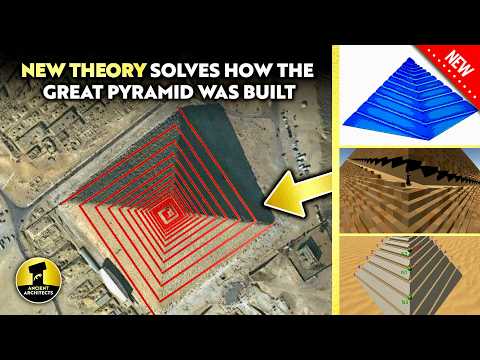
For centuries, we thought we understood how the pyramids were built, but new evidence is turning that idea on its head.
The Great Pyramid of Giza stands as one of the most extraordinary engineering achievements in human history, constructed from millions of massive stone blocks, many weighing several tons. Traditional theories point to ramps, sledges, and sheer manpower, but recent research suggests something far more sophisticated may have been at work.
This breakdown of the new pyramid construction theory explores the possibility of an internal system of counterweights, ramps, and pulley-like mechanisms, potentially turning the pyramid itself into a giant machine that helped build it from the inside out.
Because if this theory is right, the ancient Egyptians weren’t just builders, they were engineers far ahead of their time.
Who Do You Want To Be Today?
 Incognito
 Myself
 Seller
 Showoff
 Batman
 Superman
 Spider Man
 James Bond
 Einstein
 Donald Trump
 Elon Musk
 Jeff Bezos
 Plaza Exotica
 Pizzeria
 Sushi Resto
 Slagerij
Log In



 The Diary of a CEO
1 week ago
The Diary of a CEO
1 week ago

 Ancient Architects
2 weeks ago
Ancient Architects
2 weeks ago
 Ancient Architects
2 weeks ago
Ancient Architects
2 weeks ago
 Bright Insight
1 month ago
Bright Insight
1 month ago
 Ancient Architects
1 month ago
Ancient Architects
1 month ago
 Ancient Architects
1 month ago
Ancient Architects
1 month ago
 Ancient Architects
1 month ago
Ancient Architects
1 month ago
 Bright Insight
1 month ago
Bright Insight
1 month ago

 Documentary Base
1 month ago
Documentary Base
1 month ago
 Ancient Architects
2 months ago
Ancient Architects
2 months ago
 Ancient Architects
2 months ago
Ancient Architects
2 months ago

 Slice
2 months ago
Slice
2 months ago
 Ancient Architects
2 months ago
Ancient Architects
2 months ago
 Ancient Architects
2 months ago
Ancient Architects
2 months ago
 Ancient Architects
3 months ago
Ancient Architects
3 months ago
 Ancient Architects
3 months ago
Ancient Architects
3 months ago

 History With Cy
3 months ago
History With Cy
3 months ago

 National Geographic
3 months ago
National Geographic
3 months ago

 Unexplained Mysteries
4 months ago
Unexplained Mysteries
4 months ago
 Ancient Architects
4 months ago
Ancient Architects
4 months ago
 Documentary Base
4 months ago
Documentary Base
4 months ago
 Ancient Architects
4 months ago
Ancient Architects
4 months ago
 Ancient Architects
4 months ago
Ancient Architects
4 months ago