DEVICE/BROWSER INFO
aatventure

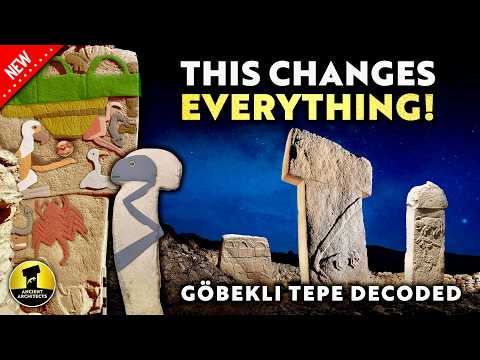
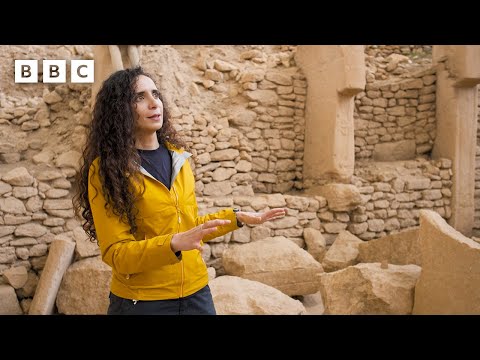
Göbekli Tepe is a site very close to my heart. I visited twice in the past two years and even though I try and take everything in, on the second visit I saw things I missed first time round. I’m sure the same will happen again.
It’s easy to get off the mini bus and head straight to the path that leads to the excavation site, but if you’re visiting the site, before you take that exciting walk, don’t miss the archaeology directly on your right.
You’ll see two pits in the limestone bedrock, and a patch of ground covered with these round cup marks. And this is one of the most important parts of the site.
These two pits are water basins. These simple cisterns are how the Pre-Pottery Neolithic people collected water. There are dozens of them in and around the site and are arguably the most important thing you’ll see at Göbekli Tepe, important because, without them, there would be no Gobekli Tepe, there would be no source of water, and hence no settlement.
To live on a hilltop site, to build a large settlement, they needed a source of water, and so they mastered the art of harvesting rainwater, and it’s thanks to these crude rock-cut holes in the ground, that people were able to build a megalithic site 10-12,000 years ago.
In this video, we’re taking a closer look at these often overlooked features of both Göbekli and Karahan Tepe, to see how they were made, where they were positioned in the landscape, and why they allowed for a large permanent settlement to arise and flourish in such a remote time.
Who Do You Want To Be Today?
 Incognito
 Myself
 Seller
 Showoff
 Batman
 Superman
 Spider Man
 James Bond
 Einstein
 Donald Trump
 Elon Musk
 Jeff Bezos
 Plaza Exotica
 Pizzeria
 Sushi Resto
 Slagerij
Log In

 Ancient Architects
4 months ago
Ancient Architects
4 months ago

 Bright Insight
5 months ago
Bright Insight
5 months ago
 Ancient Architects
6 months ago
Ancient Architects
6 months ago
 Ancient Architects
6 months ago
Ancient Architects
6 months ago
 Ancient Architects
7 months ago
Ancient Architects
7 months ago
 Ancient Architects
7 months ago
Ancient Architects
7 months ago
 Ancient Architects
8 months ago
Ancient Architects
8 months ago
 Ancient Architects
9 months ago
Ancient Architects
9 months ago
 Ancient Architects
10 months ago
Ancient Architects
10 months ago

 Documentary Base
11 months ago
Documentary Base
11 months ago
 Bright Insight
1 year ago
Bright Insight
1 year ago
 Ancient Architects
1 year ago
Ancient Architects
1 year ago
 Ancient Architects
1 year ago
Ancient Architects
1 year ago
 Ancient Architects
1 year ago
Ancient Architects
1 year ago
 Ancient Architects
1 year ago
Ancient Architects
1 year ago
 Ancient Architects
1 year ago
Ancient Architects
1 year ago
 Ancient Architects
1 year ago
Ancient Architects
1 year ago
 Ancient Architects
1 year ago
Ancient Architects
1 year ago
 Ancient Architects
1 year ago
Ancient Architects
1 year ago
 Ancient Architects
1 year ago
Ancient Architects
1 year ago
 Ancient Architects
1 year ago
Ancient Architects
1 year ago
 Ancient Architects
1 year ago
Ancient Architects
1 year ago
 Ancient Architects
1 year ago
Ancient Architects
1 year ago
 Ancient Architects
1 year ago
Ancient Architects
1 year ago
 Ancient Architects
1 year ago
Ancient Architects
1 year ago
 Ancient Architects
1 year ago
Ancient Architects
1 year ago
 Ancient Architects
1 year ago
Ancient Architects
1 year ago
 Bright Insight
2 years ago
Bright Insight
2 years ago