XeN7wKfDOPksabine-human-evolution-is-failing-us-scientists-saySabine | Human Evolution is Failing us Scientists SayNatural selection allows animals. including humans, to slowly adapt to their environments over tens of thousands of years.
fC4LtXFAa1Mmr-science-we-were-completely-wrong-about-megalodonMr. Science | We Were Completely Wrong About MegalodonMillions of years ago, an ocean predator ruled the seas. This is the true story of the Megalodon, how we discovered it, and why it disappeared.
SgYLbH56ldwrupert-sheldrake-plant-intelligence-the-bizarre-polarity-of-plantsRupert Sheldrake | Plant Intelligence: The Bizarre Polarity of PlantsIt has long been thought that plants do not have the capacity to think because they don't have a brain or a central nervous system. But little is known about plant consciousness, let alone our own consciousness.
GZxLpcPJkxImr-science-we-got-neanderthals-completely-wrongMr. Science | We Got Neanderthals Completely WrongNeanderthals ruled Ice Age Europe for over 300,000 years. Perfectly adapted, resilient, and far from primitive. And yet, within a few thousand years of our arrival, they vanished… leaving behind one of evolution’s greatest mysteries.
koPbKncHXnEslice-neanderthals-the-first-artists-in-human-historySlice | Neanderthals: The First Artists in Human History?For decades, scientists believed that art began with Homo sapiens around 30,000 years ago. But a discovery in a cave in western France may completely rewrite that story..
RX3SoqyYNn8when-giant-bugs-ruled-the-earth-the-most-dangerous-era-on-earthWhen Giant Bugs Ruled the Earth | The Most Dangerous Era on Earth300 million years ago, Earth’s oxygen levels reached 35%, turning the planet into a supercharged world of giants.
miPIUijJHdopbs-eons-why-evolution-made-your-teeth-hurtPBS Eons | Why Evolution Made Your Teeth HurtIf you’ve ever experienced dental pain, you've probably wondered why our teeth would evolve to function like an oversensitive alarm system.
1NxmOCg1q8wearth-20-what-was-life-like-during-the-early-triassicEarth 2.0 | What Was Life Like During the Early Triassic?The Early Triassic marks the very beginning of the Mesozoic Era, the age of dinosaurs.
xUCGiiSnWlcscientists-proved-humans-were-in-the-americas-27000-years-agoScientists Proved Humans Were in the Americas 27,000 Years AgoJust when archaeologists thought they had found the earliest evidence of humans in the Americas, a rock shelter in central Brazil turned everything upside down again.
TsTkT346Iwgthe-prehistoric-earth-a-journey-back-to-pangaea-timesThe Prehistoric Earth | A Journey Back to Pangaea TimesOur planet is a wonderful and amazing place. From the hot equator to the polar ice caps, it is inhabited by an incredible variety of the most unusual creatures.
JmPRRZd1KrMwufo-the-birth-of-planet-earth-before-life-and-before-oceansWUFO | The Birth of Planet Earth | Before Life and Before OceansIn this space documentary, we journey back 4.5 billion years to uncover how Earth was born and why it survived when countless other worlds failed.
goMr8GkpeM8dw-news-what-distinguishes-humans-from-animalsDW News | What Distinguishes Humans From Animals?What made our ancestors evolve in such an extraordinary way? This film presents the latest scientific theories on how the human species evolved and looks at the shadow side of our unique abilities.
OV5utqfcjeApaleozic-the-cambrian-period-earths-strangest-agePaleozic | The Cambrian Period - Earth's Strangest AgeWhat if you could travel back to a world before dinosaurs… before forests… before life ever walked on land?
CQj6QofUdFcthe-ancient-discovery-changing-what-we-know-about-deathThe Ancient Discovery Changing What We Know About DeathDeep underground, in a cave so narrow you can barely breathe, scientists made a discovery that may change how we understand death itself.
HxpkOym11pwpbs-eons-when-ancient-weeds-fooled-usPBS Eons | When Ancient Weeds Fooled UsAncient weeds began mimicking early crops again and again over the course of the agricultural revolution, as ancient farmers made similar mistakes in different places at different times.And it turns out, some of our closest plant friends today actually started out as uninvited guests that hid their true identity.
pHJIhxZEoxgkurzgesagt-trees-are-even-more-crazy-than-we-thoughtKurzgesagt | Trees Are Even More Crazy Than We ThoughtTrees are among the most fascinating life forms on Earth, but what makes them truly fascinating is hiding underground!
1XgfmYVZavonaked-science-was-charles-darwin-right-or-wrongNaked Science | Was Charles Darwin Right or Wrong?Is evolution a fact or a "theory full of holes"? This deep-dive documentary investigates the three boldest claims of Charles Darwin and puts them to the ultimate scientific test.
obTvy_Un878ben-g-the-speculative-evolution-of-the-loch-ness-monsterBen G | The Speculative Evolution of The Loch Ness MonsterThe Loch Ness Monster is one of the most enduring mysteries in the field of cryptozoology.
WOw6WvDLI_Ymr-science-nothing-about-titanoboa-was-normal-heres-whyMr. Science | Nothing About Titanoboa Was Normal… Here's WhyIn this video, we travel back to the steamy Paleocene swamps to uncover how the largest snake ever discovered actually lived, hunted, and survived. Not as a movie monster, but as a real animal shaped by heat, water, and time.
3Y4_hdKrnqYwho-was-the-real-neanderthalWho Was The Real Neanderthal?For decades, Neanderthals were dismissed as dim-witted brutes primitive, clumsy, and far inferior to modern humans. But groundbreaking discoveries are rewriting everything we thought we knew.
SF4AFbkFRjMbbc-timestamp-the-hidden-humans-of-historyBBC Timestamp | The Hidden Humans of HistoryJoin Ella Al-Shamahi as she explores the surprising story of humanity and the many human species that once walked the Earth. To ancient relatives and beyond, this compilation uncovers discoveries that are stranger (and more fascinating) than you might imagine.
IYb3duBY_IEinside-the-vault-where-they-keep-the-dinosaur-apocalypseInside the Vault Where They Keep the Dinosaur ApocalypseA giant asteroid impact ended the age of the dinosaurs 66 million years ago. How did this mass extinction play out, moment by moment?
RA_GodrfHP4omni-what-trees-know-that-weve-forgottenOMNI | What Trees Know That We’ve ForgottenThis is the story of how the oldest living things on earth think without brains, remember without neurons, and communicate without sound. This is a journey into tree consciousness, where time, memory, and intelligence mean something completely different.
ZSch_NgZpQskurzgesagt-trees-are-so-weirdKurzgesagt | Trees Are So WeirdTrees are among the most extreme and successful forms of life on Earth. They build their bodies from thin air, move water with pressures that would crush a human, and grow using a fascinating system of living cables wrapped in layers of corpses.
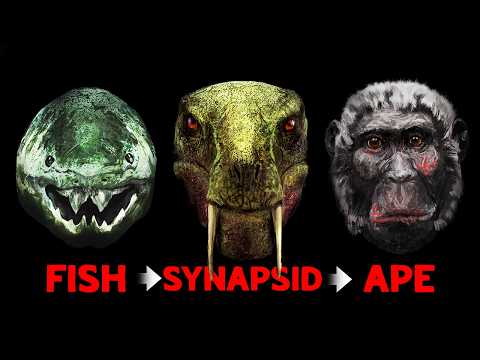
Raj12AUTKUAhistory-of-humankind-what-did-you-evolve-fromHistory of Humankind | What Did You Evolve From?Every animal and plant that you can find today on Earth, including us apes, evolved from a common ancestor.
XX7PdJIGiCwthe-surprising-truth-about-4-billion-years-of-evolutionThe Surprising Truth About 4 Billion Years of EvolutionMost people don’t fully understand evolution.
v99EC5obCLsnorth-02-the-insane-evolution-of-the-human-faceNORTH 02 | The Insane Evolution of the Human FaceAll media displayed in this video is displayed with either permission from the copyright owner, fair use, or is creative commons.
PBdNc9eKh1Yhistory-of-humankind-when-did-we-become-consciousHistory of Humankind | When Did We Become Conscious?Written by Carys Phillips and Ellis Moloney, Art by the legendary Ettore Mazza, Narration by David Kelly.
NMmhXU9rFvEhuman-species-may-have-lived-on-this-island-1-million-years-agoHuman Species May Have Lived on This Island 1 Million Years AgoA mysterious kind of archaic human was living on the Indonesian island of Sulawesi more than a million years ago, according to new evidence published this week.
x-ApheO4S7ghow-far-back-could-you-communicate-with-your-ancestorsHow Far Back To Communicate With Your Ancestors?Written by Angela Wipperman, Art by Ettore Mazza, Narration by David Kelly, Editing by Marta Mancusi and Andrew Dixon