DEVICE/BROWSER INFO
aatventure
Water Lilies is a series of approximately 250 oil paintings by French Impressionist Claude Monet (1840–1926). The paintings depict his flower garden at his home in Giverny, and were the main focus of his artistic production during the last 31 years of his life.
Many of the works were painted while Monet suffered from cataracts.
Claude Monet is often criticised for being overexposed, too easy, too obvious, or worse, a chocolate box artist. His last works, the enormous water lily canvasses are among the most popular art works in the world.
Yet there is nothing tame, traditionalist, or cosy about these last paintings. These are his most radical works of all. They turn the world upside down with their strange, disorientating and immersive vision.
Monet’s water lilies have come to be viewed as simply an aesthetic interpretation of the garden that obsessed him. But they are so much more.
These works were created as a direct response to the most savage and apocalyptic period of modern history. They were in fact conceived as a war memorial to the millions of lives tragically lost in the First World War.
Who Do You Want To Be Today?
 Incognito
 Myself
 Seller
 Showoff
 Batman
 Superman
 Spider Man
 James Bond
 Einstein
 Donald Trump
 Elon Musk
 Jeff Bezos
 Plaza Exotica
 Pizzeria
 Sushi Resto
 Slagerij
Log In


 Art Deco
3 months ago
Art Deco
3 months ago


 Nerdwriter1
8 years ago
Nerdwriter1
8 years ago
 Leonardo da Vinci
8 years ago
Leonardo da Vinci
8 years ago


 Art and Film
59 years ago
Art and Film
59 years ago
 Great Art Explained
89 years ago
Great Art Explained
89 years ago
 Great Art Explained
97 years ago
Great Art Explained
97 years ago


 Great Art Explained
136 years ago
Great Art Explained
136 years ago
 Vincent van Gogh
138 years ago
Vincent van Gogh
138 years ago

 Art Deco
173 years ago
Art Deco
173 years ago

 Great Art Explained
194 years ago
Great Art Explained
194 years ago

 Rembrandt van Rijn
356 years ago
Rembrandt van Rijn
356 years ago
 Great Art Explained
367 years ago
Great Art Explained
367 years ago
 Rembrandt van Rijn
383 years ago
Rembrandt van Rijn
383 years ago
 Art and Film
385 years ago
Art and Film
385 years ago

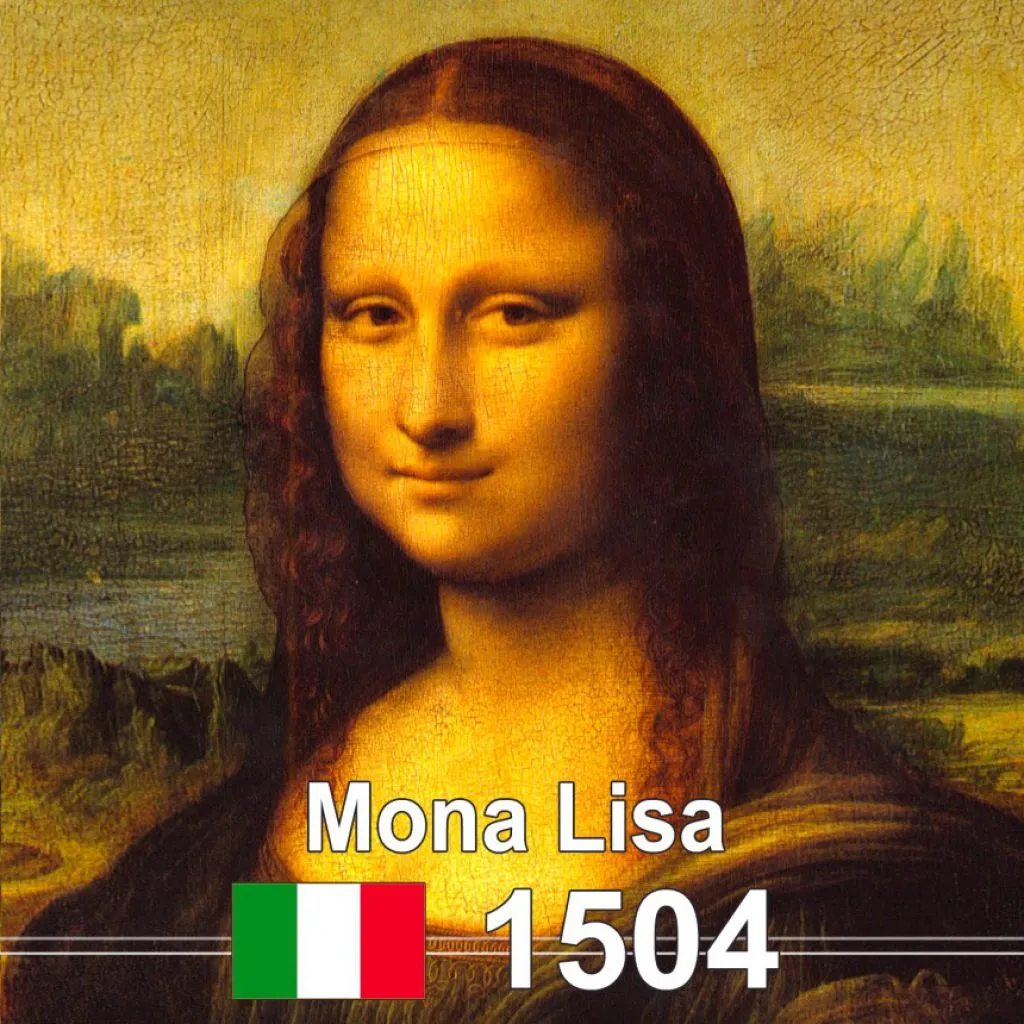
 Great Art Explained
508 years ago
Great Art Explained
508 years ago

 Smithsonian Channel
515 years ago
Smithsonian Channel
515 years ago
 Art and Film
525 years ago
Art and Film
525 years ago